
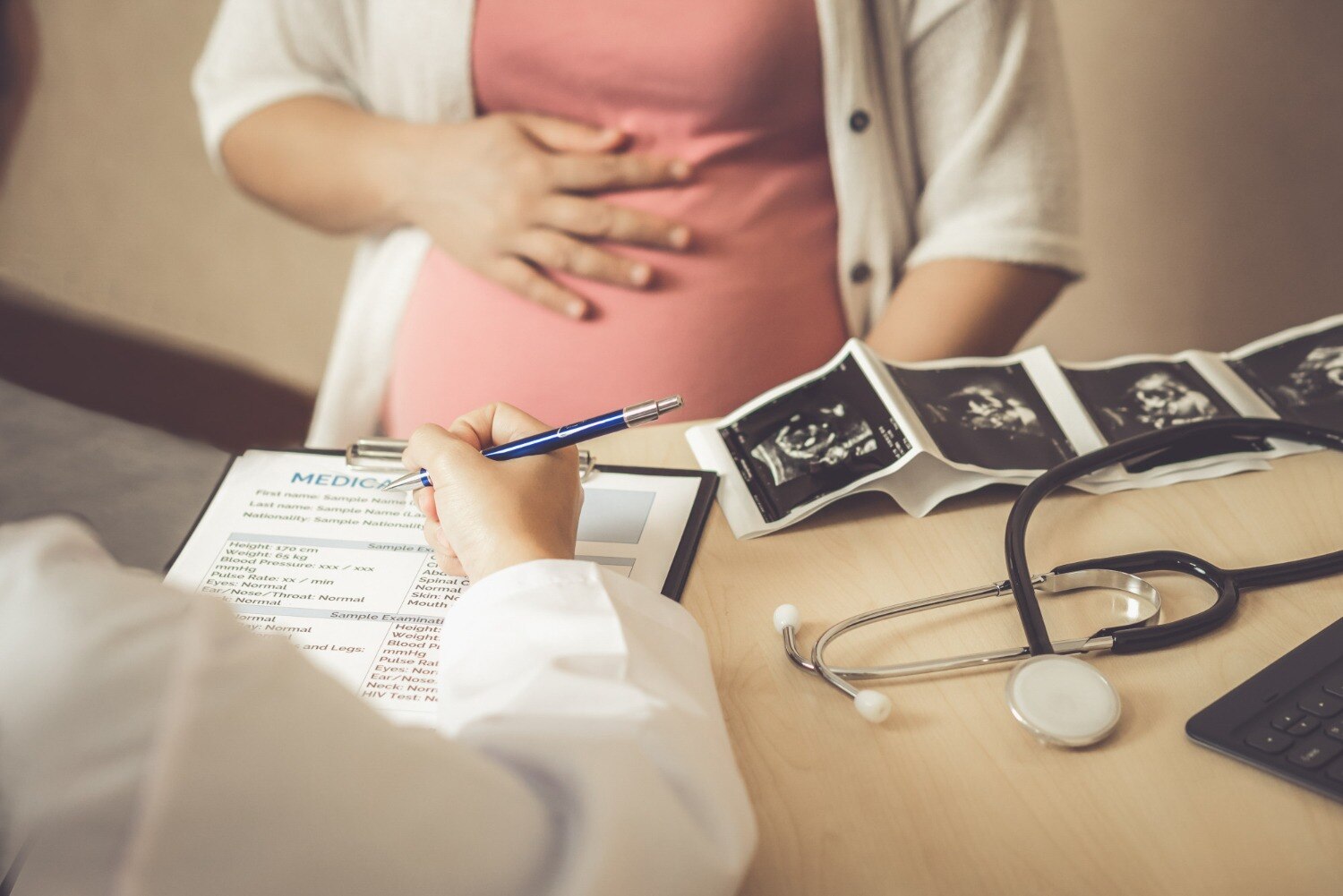
Women’s health needs change from the first period through pregnancy, recovery, menopause and later-life pelvic concerns. A stage-based plan helps you recognise normal changes, arrange preventive checks, choose treatments suited to your risks and seek prompt care when symptoms signal a problem.
Key takeaways
- Seek assessment for very painful, absent, unusually heavy or irregular periods.
- Discuss contraception, preconception health and fertility planning before trying to conceive.
- Book pregnancy care early and attend recommended checks from booking through birth.
- Seek help for postpartum symptoms, menopause changes or new pelvic-floor problems.
Puberty and menstruation: what deserves assessment?
Puberty usually begins with breast development, growth of pubic or underarm hair, body odour and a growth spurt. The first period often arrives about two to three years after breast development.
During the first two years, cycles can be irregular; a cycle lasting 21 to 45 days and bleeding for up to seven days can be normal for adolescents.
| Change | Often within normal range | Book a gynaecology appointment |
|---|---|---|
| Puberty timing | Breast development from about age 8 to 13 | No breast development by 13, or no first period by 15 or within three years of breast development |
| Menstrual pattern | Irregular timing during the first two years | Periods stop for 90 days, remain very irregular, or become newly unpredictable |
| Bleeding | Manageable flow lasting up to seven days | Heavy menstrual bleeding that disrupts school, sleep or activities, causes fatigue, or produces dizziness |
| Pain | Mild cramps improving with ordinary pain relief | Severe pain, pain between periods, pain with bowel movements, or pain that repeatedly causes missed activities |
Book a menstrual assessment for persistent irregular or absent periods. Causes include pregnancy, polycystic ovary syndrome, thyroid disease, raised prolactin, undernutrition and excessive exercise. Bleeding patterns alone do not prove that ovulation or fertility is normal.
Seek urgent care for soaking through a pad or tampon every hour for two hours, fainting, severe pelvic pain, fever, or possible pregnancy with pain or bleeding. A clinician can assess anaemia, bleeding disorders, endometriosis and other causes rather than treating symptoms as simply part of puberty.
Contraception, preconception and fertility planning
Choose contraception according to pregnancy plans, bleeding preferences, medical history and how easily you want to stop it. A contraception counselling appointment should cover effectiveness, side effects, reversibility and what happens if you miss doses.
| Option | Reversibility and practical points | Important checks |
|---|---|---|
| Condoms | Stop immediately; also reduce sexually transmitted infection risk | Use a new condom every time; add another method if pregnancy prevention must be highly reliable |
| Combined pill, patch or ring | Reversible; requires regular use and may improve cycle control | Review migraine history, blood pressure and clot risk; avoid oestrogen methods with migraine with aura or certain clot risks |
| Progestogen-only pill, implant or injection | Reversible, but bleeding changes are common; fertility returns at different speeds after stopping | Discuss breastfeeding, medicines and irregular bleeding; the injection can delay return of fertility |
| Copper or hormonal IUD | Reversible and long-acting; removal restores the ability to try for pregnancy | Copper can increase bleeding; hormonal IUDs often reduce it; insertion requires clinical assessment |
Before trying to conceive, arrange a preconception review of long-term conditions, medicines, vaccinations, genetic risks and infection risks. Take 400 micrograms of folic acid daily from at least one month before conception; ask about a higher dose if you have a specific medical risk.
- Do not use regular periods alone to judge fertility: ovulation can occur before the first bleed after stopping contraception.
- Seek fertility assessment after 12 months of unprotected intercourse if under 35, or six months at 35 or older; go sooner for absent or irregular periods, suspected endometriosis or tubal disease. Both partners need evaluation.
Pregnancy care from the booking visit to birth
At the booking visit, usually in the first trimester, your clinician reviews medical history, medicines, previous pregnancies, estimated due date and vaccination needs. Blood pressure, urine and blood tests help identify anaemia, infection and pregnancy complications early. Blood-group and Rh testing determines whether Rh immunoglobulin planning is needed.
Routine appointments track your blood pressure, weight, symptoms, urine and the baby’s growth and heartbeat. Timing varies with your health and pregnancy history, but common milestones include:
| Visit or test | What it checks | Why it matters |
|---|---|---|
| Booking visit | History, examination and baseline tests | Identifies risks and sets the care plan |
| Anatomy ultrasound | Baby’s structure and placental position | Screens for structural differences and helps plan care |
| Gestational-diabetes screening | Blood-glucose response, often at 24 to 28 weeks | Detects diabetes that can affect you and the baby |
| Later visits | Growth, position, blood pressure and symptoms | Guides monitoring and birth planning |
Seek immediate assessment for vaginal bleeding, fluid leaking, severe or persistent abdominal pain, fever, fainting, chest pain or trouble breathing. A severe headache, blurred vision or flashing lights, pain below the ribs, sudden swelling of the face or hands, or a high blood-pressure reading can signal pre-eclampsia.
After movements become established, contact maternity services promptly if your baby moves less than usual. Do not wait for the next appointment or rely on a home Doppler.
Postpartum recovery, menopause and later-life pelvic health
Recovery after birth needs more than a six-week clearance. Ongoing care checks whether your body and mood are recovering, whether feeding is working for you, and whether contraception suits your plans. A caesarean birth is major abdominal surgery, so wound healing, pain, mobility and infection or clot symptoms deserve specific review.
Postpartum appointments can assess:
- Postpartum blood pressure, especially after high readings during pregnancy or symptoms such as severe headache, visual changes or upper-abdominal pain
- Bleeding, fever, wound healing and persistent pain
- Breastfeeding or feeding difficulties, sleep and practical recovery
- Urinary leakage, bowel-control problems, pelvic pressure or pain during sex
- Anxiety, low mood or frightening thoughts, which require medical care rather than dismissal as normal adjustment
Menopause is usually diagnosed without hormone blood tests after 12 months without periods in healthy people aged 45 or over, provided hormonal contraception is not altering bleeding. Discuss troublesome symptoms and treatment options, but seek prompt assessment for any bleeding after menopause.
A bone-health review becomes important when early menopause, fracture risk or other risk factors are present.
Later-life pelvic health is treatable, not an unavoidable consequence of ageing. A clinician can distinguish urinary leakage from pelvic-organ prolapse or pelvic pain and match treatment to your goals, using supervised pelvic-floor rehabilitation, bladder strategies, a pessary, medicines or surgery. Sudden urinary or faecal leakage, a new bulge, severe pain or bleeding needs timely assessment.
Preventive checks and choosing the right time to seek care
Preventive care changes with age, but you do not need to wait for a scheduled test when symptoms appear. Use this framework, then confirm local screening intervals with your clinician.
| Life stage | Preventive checks | Seek specialist care when |
|---|---|---|
| Puberty and menstruation | Vaccination, menstrual review and blood-pressure checks | Periods are extremely heavy, painful, absent, or disrupt school and daily life |
| Reproductive years | Cervical screening, contraception review, breast awareness and preconception checks | You have abnormal bleeding, persistent pelvic pain, infertility concerns or a new breast lump |
| Pregnancy and the year after birth | Antenatal blood-pressure and urine checks; postpartum review of bleeding, wounds, mood, feeding, contraception and recovery | You develop severe headache, visual changes, heavy bleeding, fever, sudden swelling, reduced fetal movement or thoughts of self-harm |
| Midlife and menopause | Blood-pressure checks, breast awareness, cervical screening when due, and bone-health review based on risk | Bleeding occurs after menopause, or hot flushes, vaginal symptoms or mood changes affect daily life |
| Later life | Blood-pressure checks, medication review and pelvic-health assessment | You develop prolapse, urinary or faecal leakage, pelvic pain, or a new breast or pelvic lump |
Pelvic-floor rehabilitation is practical treatment, not a last resort, for leakage, prolapse or pain after childbirth or with ageing. In Nagpur, Dr AsthaMotwani Best Gynecologist Nagpur can help determine whether symptoms need pelvic-floor therapy, medication, a pessary or further investigation. Seek urgent care for severe pelvic pain, pregnancy bleeding, sudden urinary leakage or heavy bleeding.
Related products
Obstetrics Care At Its Best best View product → |
Gynecology Urogynecology Deals with female problems including Pelvic Organ Prolapse, Urinary and Defectory abnormalities. |
Frequently asked questions
Which puberty and menstrual symptoms deserve a gynaecological assessment?
Arrange an assessment for absent periods, very painful periods, unusually heavy bleeding, bleeding between periods or cycles that remain markedly irregular.
When should you discuss contraception, preconception or fertility planning?
Discuss contraception before you need it, preconception care before trying to conceive, and fertility advice when conception has not occurred or you have concerns about your reproductive health.
What does pregnancy care cover from the booking visit to birth?
Pregnancy care includes the booking visit, health and risk assessment, recommended monitoring and screening, preparation for birth, and guidance on when urgent review is needed.
When should you seek postpartum, menopause or later-life pelvic health care?
Seek care for persistent postpartum pain, heavy bleeding, wound concerns, low mood or pelvic-floor symptoms, and for troublesome menopause symptoms or new urinary, vaginal or pelvic changes later in life.
Related items
 | Gynecology Oncofertility refers to the medical field that bridges the specialties of oncology and reproductive endocrinology with the purpose of maximizing the... View product → |
Painless Delivery Motherhood is inarguably the most beautiful phase in a woman’s life. View service → |
Sonography Sonography also known as Medical ultrasound, is an imaging technique based on the application of ultrasound. |
Cosmetic Gynaecology Aesthetic and Cosmetic Gynaecology services Vaginal Tightening Vulvar and Vaginal Rejuvenation Post Delivery Rehab Stretchmarks Removal Leakage of... View service → |